Decorating with Handmade Textiles Without Overdoing It
- Ali

- Jan 9
- 3 min read
Updated: Feb 12
Handmade textiles bring warmth, texture, and story into a home — but it’s easy to worry about using too much and overwhelming your space. The key to decorating with handmade textiles is balance, especially when mixing global, artisan pieces with modern interiors.

This guide shows how to style handmade textiles intentionally, so your home feels curated, not cluttered.
Why Handmade Textiles Work So Well in Home Décor
Handmade textiles stand out because of their craftsmanship and materials. Subtle variations in weave, color, and pattern add depth that mass-produced fabrics often lack.
Common handmade textile pieces include:
Artisan pillows
Throws and blankets
Wall hangings
Adding handmade textiles is one of the easiest ways to get instant impact when you decorate with artisan home decor.
Start With One Statement Textile
If you’re new to handmade textiles, start small.
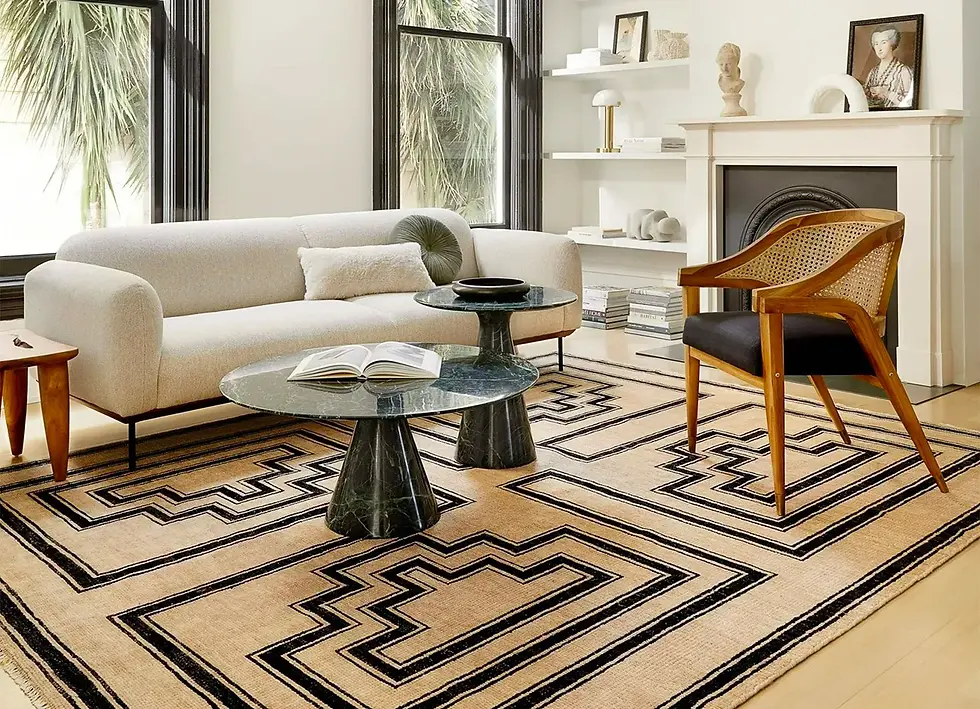
Choose one focal piece per room:
A handwoven rug in the living room
A textile wall hanging above a bed
A single artisan throw on a sofa
Let that statement piece anchor the space before layering more when you decorate with handmade global decor.
Limit the Color Palette
Handmade textiles often feature bold patterns or rich dyes. To avoid visual overload:

Choose 2–3 dominant colors
Repeat those colors subtly throughout the room
Balance patterned textiles with solid textures
Neutral furniture helps artisan textiles stand out without competing. Check out some throw pillows sources in our post How to Style Throw Pillows.
Mix Textures, Not Patterns
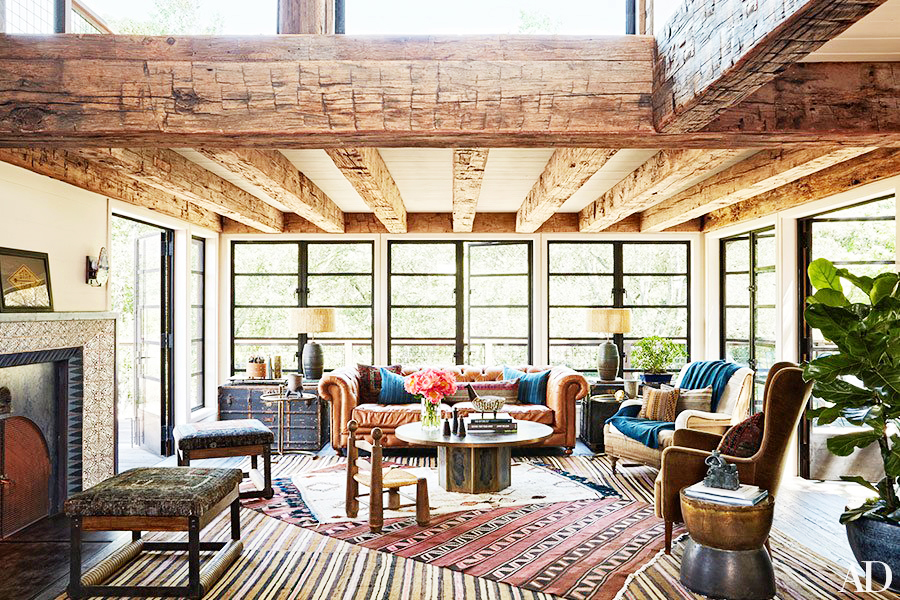
A common mistake is layering too many patterns at once. Experienced stylists have a knack with making a mix of patterns work, but it can be hard to master.

Instead:
Pair patterned textiles with solid linens
Mix wool, cotton, and linen textures
Use variation in weave rather than print
This creates interest while keeping the space calm. Artisan textile materials come in a variety of textures so you have many choices.
Use Handmade Textiles as Accents
Handmade textiles don’t need to dominate a room to make an impact.

Great accent uses include:
Pillows on a neutral couch
A runner on a dining table
A folded throw over a chair
Small touches often feel more intentional than full coverage.
Balance Global Textiles With Modern Elements
To keep a space from feeling themed, mix handmade textiles with modern décor.

Try pairing:
Global textiles with clean-lined furniture
Neutral walls with colorful woven accents
Handmade pieces with minimal lighting and art
This contrast keeps your home feeling current. When you style artisan decor in a modern home it helps your special piece stand out even more.
Choose Quality Over Quantity
One high-quality handmade textile is more impactful than several lower-quality pieces.

Well-made textiles:
Age beautifully
Hold their shape and color
Feel intentional rather than trendy
It's true, handmade decor costs more. It may be instinctive to be budget minded if you're doing a quick makeover, but over time it's worth it to invest in high quality pieces. This also aligns with more ethical, sustainable decorating choices.
Rotate Textiles Seasonally
If you love collecting textiles, rotation helps prevent clutter.
Ideas:
Use heavier wool rugs in colder months
Switch to lighter cotton or linen in warmer seasons
Store extras carefully to preserve quality

This keeps your space fresh without adding more pieces.
Watch for Authenticity and Ethics
Not all handmade textiles are created ethically. Look for transparency around sourcing, materials, and artisan relationships. Ethical global home decor usually states somewhere how the products are made and sourced.
Final Thoughts
Decorating with handmade textiles without overdoing it is about intention, balance, and restraint. By focusing on quality, limiting patterns, and letting each piece breathe, you create a home that feels layered, thoughtful, and uniquely yours.
Handmade textiles should enhance your space — not compete for attention.


Comments