Best Rug Layering Combinations for a Cozy, Global-Inspired Home
- Ali

- Mar 11
- 4 min read
Our content is reader supported. We may earn a commission if you buy through our links.
Layering handmade rugs is one of the easiest ways to add depth, texture, and personality to a space. In globally inspired interiors—where natural materials, artisan craftsmanship, and collected pieces take center stage—layered rugs create a relaxed, curated look that feels both thoughtful and lived-in.
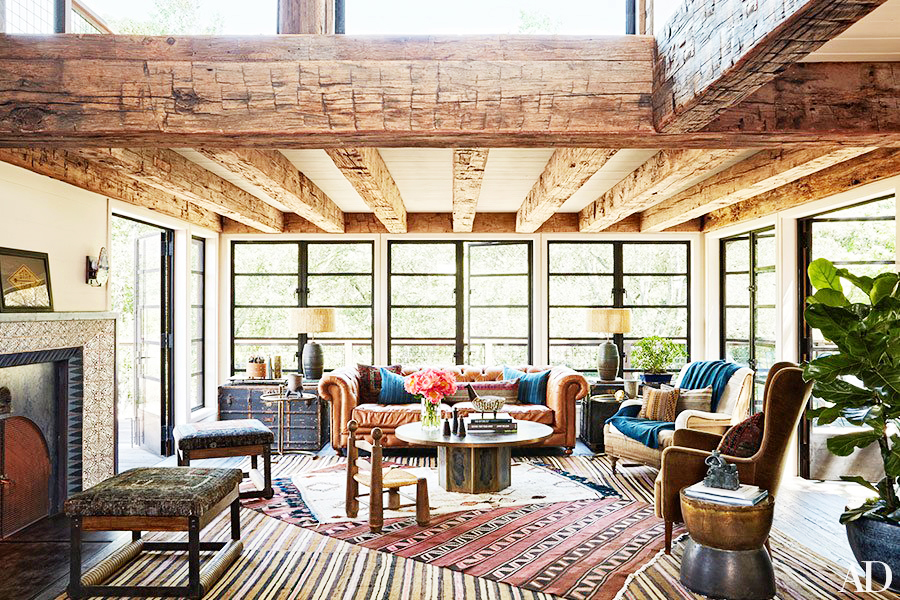
Rather than relying on a single large rug, layering allows you to mix textures, patterns, and materials in a way that reflects travels, craftsmanship, and timeless design. A neutral jute base topped with a vintage wool rug, for example, instantly adds warmth and visual interest to a living room or bedroom.
Rug layering doesn’t have to feel complicated. With the right combinations of natural fibers and handmade pieces, it becomes an effortless way to elevate your home.
Below are some of the most beautiful rug layering combinations designers love, especially in homes that embrace earthy palettes and artisan décor.
Why Designers Love Layering Rugs
Before diving into combinations, it helps to understand why rug layering works so well in thoughtfully designed homes.

Adds Texture to Neutral Spaces
Many earthy or minimalist homes rely on a soft palette of creams, beiges, wood tones, and stone. Layering rugs introduces texture without overwhelming the calm aesthetic.
Highlights Handmade Pieces
A patterned vintage rug layered over a neutral base helps showcase artisan craftsmanship and makes the top rug feel intentional rather than lost in a larger room.
Helps Define Spaces
In open floor plans or apartments, layered rugs help visually define areas like seating arrangements or reading corners.
Best Rug Layering Combinations
These pairings work especially well in neutral, earthy interiors with global inspiration.

Jute Rug + Vintage Turkish Rug
One of the most popular and timeless rug layering combinations is a natural jute rug topped with a vintage or vintage style Turkish or Persian rug.

The jute rug creates a warm, earthy base while the vintage rug adds color, history, and character. (Be sure to check out our post on the best jute rugs for layering.)
Why it works:
Jute provides durability and structure
Vintage rugs bring pattern and craftsmanship
The combination feels relaxed yet elevated
This pairing is perfect for living rooms where you want a collected, well-traveled aesthetic.


Jute Rug + Moroccan Rug
Moroccan rugs—especially Beni Ourain styles—look beautiful layered over a larger neutral jute rug.

The plush wool texture contrasts beautifully with the flat weave of jute, creating depth without adding visual clutter.
This combination works especially well in:
Neutral living rooms
Minimalist interiors that still need warmth
The result feels organic, soft, and effortlessly global.


Flatweave Kilim + Natural Fiber Rug
Flatwoven kilim rugs are known for their intricate patterns and artisan craftsmanship. When layered over a simple natural fiber rug like sisal or jute, they become the focal point of the room.

Because kilims tend to be thinner, layering also helps add cushioning underfoot.
Best places for this combination:
Reading nooks
Entryways
Small living spaces



Sheepskin or Hide + Neutral Rug
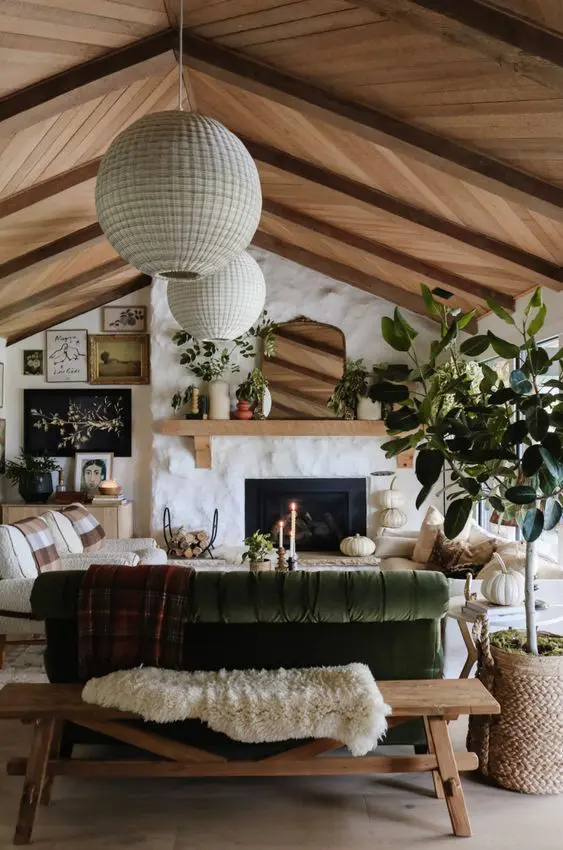
For bedrooms or cozy seating areas, layering a sheepskin or small wool rug over a larger neutral base rug adds softness and warmth.

It’s a subtle form of layering that still feels elevated and intentional.
Try this look:
At the side of a bed
Over a bedroom rug
On top of a woven living room rug near a chair

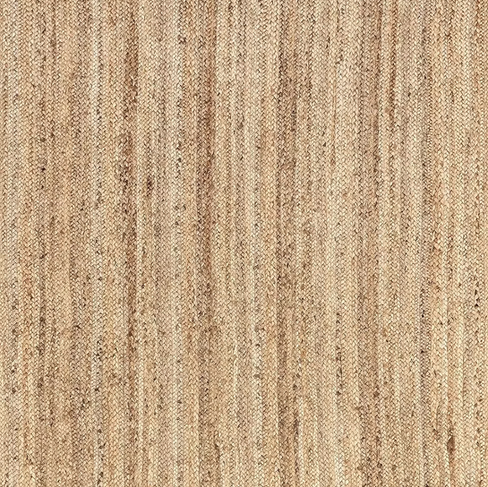


Try the nuLoom Jute Rug from Amazon or double sheepskin rug from Quince.
Tips for Layering Rugs Successfully
A few simple guidelines make rug layering look effortless.

Start With a Large Neutral Base
Natural fiber rugs such as jute or sisal work best because they provide texture without competing with the top rug.
Let the Top Rug Be the Star
Choose a rug with pattern, color, or unique craftsmanship for the top layer.
Play With Contrast
Mix textures like:
Flatweave + plush wool
Woven jute + vintage rug
Natural fibers + soft sheepskin
Contrast is what makes layered rugs feel intentional.
Why Rug Layering Works So Well in Global Inspired Homes
Global interiors often combine pieces from different cultures, materials, and eras. Rug layering reflects that same philosophy.

A jute rug paired with a Turkish rug or Moroccan wool piece tells a story of craftsmanship and tradition. It also keeps a space from feeling overly styled or one-dimensional.
Instead of a single perfect piece, layered rugs create the feeling that your home has evolved over time—filled with objects that were chosen carefully and collected thoughtfully.
Final Thoughts
Layering rugs is one of the simplest ways to add depth, warmth, and personality to a room. It celebrates texture, highlights artisan craftsmanship, and helps create the relaxed, collected look that defines globally inspired interiors.
Whether you start with a neutral jute rug and add a vintage wool piece or experiment with kilims, Moroccan rugs, or sheepskins, layered rugs instantly make a space feel more intentional.


Comments