How to Decorate with Handmade Global Décor
- Ali

- Dec 28, 2025
- 5 min read
Updated: Mar 4
One of my favorite things to do when traveling is to visit the local markets. I'm constantly inspired by the creativity and traditions carried on by the artisans. Sometimes I have something specific in mind if the area is known for a certain craft, but usually, something special just strikes me.

I think handmade global décor brings depth, character, and authenticity into a home in a way mass-produced pieces simply can’t. Each item tells a story — of a place, a culture, and the artisan who created it, and of course, brings back a travel memory. When styled intentionally, handmade décor can add warmth and meaning without overwhelming your space. It feels particularly sophisticated when you mix modern and artisan decor.
In this guide, I'll share some ideas on how to decorate with handmade global décor, including how to choose textiles, ceramics, and art, what to look for while traveling, and how to make unique pieces feel cohesive in a modern home.

Why Handmade Global Décor Matters
In today’s crowded home décor marketplace, it’s easy to feel overwhelmed. Endless options, fast trends, and mass-produced designs can blur together. Handmade global décor stands apart because no two pieces are exactly alike and it supports the artisans and the longevity of their craft.
It can be overwhelming when you see artisans making similar items and they're so accessible at the moment and suddenly you can't decide, but trust me, once you bring a piece home, it's unique — shaped by where you found it and how you use it. I've kicked myself a few times for walking away and not bringing that something special home . Handmade global decor is worth it. The pieces add soul to a space and create a home that feels collected, not decorated.
Start with Textiles: The Easiest Way to Add Global Influence
Textiles are one of the simplest and most versatile ways to incorporate handmade global décor and they can be easily folded and packed up into a suitcase.

Popular Handmade Global Textiles
Handwoven rugs or blankets
Block-printed or hand-dyed fabrics
Woven blankets and wall hangings
Textiles soften a space and layer beautifully with modern furniture. A neutral sofa instantly feels richer with a globally inspired pillow or throw. Textiles are also easy to rotate seasonally, making them ideal for first-time global décor collectors.
Amber Lewis of Amber Interiors is the queen when it comes to designing collected interiors and beautifully styling vintage, handmade textiles and patterns. I love this neutral combo below with that stunning vintage headboard.

How to Style Handmade Textiles
Aim for one statement textile per room to avoid clutter
Keep your color palette tight (2–3 main tones) and aim for a common thread.
For a more modern look, mix textures and less pattern. For a more eclectic look, you can layer pattern on pattern but it may take some experimenting to get it just right.

Decorating with Handmade Ceramics
Handmade ceramics add organic texture and craftsmanship to shelves, tables, and kitchens. Not only are they beautiful, but functional too. Designers use ceramic vases as styling staples.

Common Global Ceramic Styles
Terracotta pottery
Hand-painted bowls and plates
Stoneware vases
Clay vessels and urns
Ceramics work best when grouped or placed thoughtfully. Cluster them to create visual impact.

Styling Tips for Ceramics
Group items in odd numbers
Mix heights and shapes, but keep colors consistent or in the same tones.
Use ceramics functionally (bowls, planters, vases)
A handmade ceramic piece instantly grounds a space and pairs beautifully with wood, stone, and linen.
Using Global Art Without Making It Feel Touristy
Art is often what first catches your eye while traveling — and for good reason. It’s deeply connected to place and culture. I like to find original prints or sketches from artists on the streets and have them professionally framed at home. A few of my favorites pieces of global art are a miniature drawing of the Alhambra in Granada, a thangka from Kathmandu and a watercolor from Ubud. All were inexpensive and easy to bring home to frame.

Types of Handmade Global Art
Textile wall hangings
Carved wood panels
Painted tiles or murals
Sketches or prints by local artists
When choosing art, think beyond souvenirs. Look for pieces that feel timeless and reflect the materials or traditions of the region.
How to Display Global Art
Let one large item be the focal point
Pair bold art with simple furniture
Frame smaller works for a cleaner, modern look
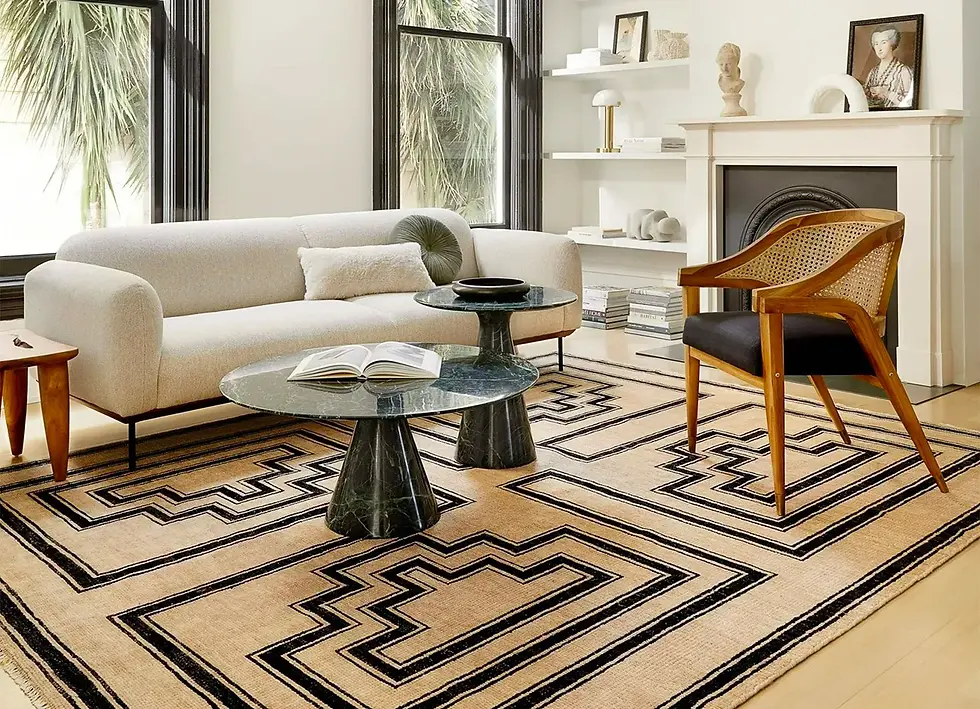
Art doesn’t need to match your home perfectly — contrast often makes it more interesting.
What to Look for When Traveling
Travel is one of the best ways to discover handmade global décor. Markets, small workshops, and local studios often offer pieces you won’t find anywhere else.
What Usually Catches the Eye First
Texture (woven, carved, imperfect finishes)
Craftsmanship and detail
Materials unique to the region

Trust your instincts. If a piece stops you in your tracks, there’s usually a reason.
Learn What Local Artisans Are Known For
Before or during your travels, take note of what a region’s artisans are traditionally known for. This helps you choose pieces with cultural and material significance.
Examples
Handwoven rugs and textiles
Ceramics using local clay
Wood carving or metalwork
Traditional dyeing or printing techniques
These items often carry more meaning and tend to age beautifully over time.
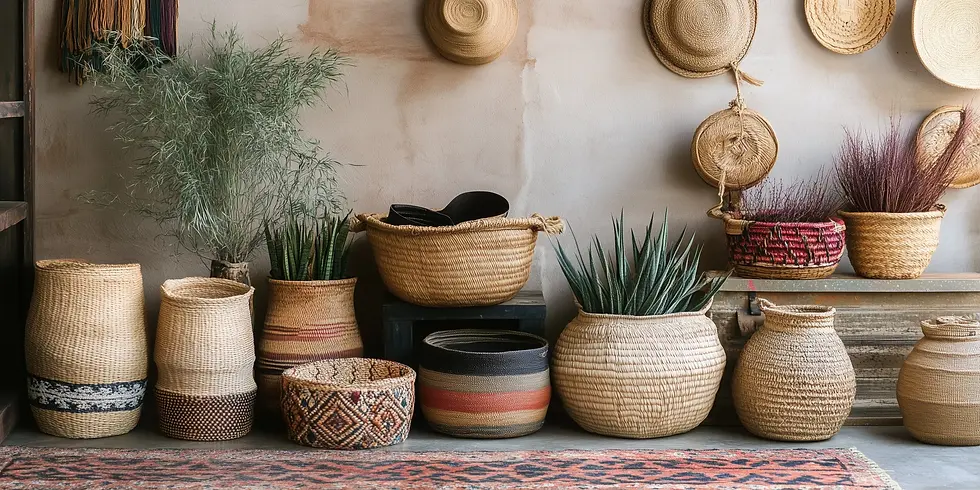
Making Handmade Pieces Feel Cohesive at Home
The key to decorating with handmade global décor is intentional restraint.
How to Keep It Balanced
Mix global décor with clean-lined furniture
Avoid filling every surface — negative space matters
Think of your home as a gallery. Each piece deserves room to breathe.

Embracing the Uniqueness of Handmade Décor
Handmade global décor isn’t about perfection — it’s about individuality. Slight variations, natural imperfections, and signs of craftsmanship are what make these pieces special.
When you're haggling in the middle of a hot, bustling market it can feel overwhelming, but once you bring a handmade piece home, it becomes part of your story. It’s no longer just décor, it’s a memory, a connection, and a reflection of how you experience the world.
Final Thought
Decorating with handmade global décor takes time and is about choosing pieces with intention, honoring craftsmanship, and creating a home that feels personal and collected over time. Start small, trust your eye, and let each piece tell its story.


Comments