Why Rattan Furniture Is Timeless (Not Trendy) — and How to Style It in Any Home
- Ali

- Mar 14
- 4 min read
Updated: Mar 18
Our content is reader supported. We may earn a commission if you buy through our links.
Rattan has been appearing more frequently in modern interiors, which sometimes leads people to assume it’s just another passing design trend. In reality, rattan furniture and accents have been used in homes around the world for centuries, valued for its durability, natural beauty, and versatility.

Unlike trend-driven materials that quickly fall out of favor, rattan continues to reappear in different design eras because it offers something many modern homes lack: warmth, texture, and craftsmanship.
Whether used in statement furniture or subtle accents, rattan can add character without overwhelming a space. The key is knowing how to incorporate it thoughtfully and which home styles it complements best.
What Makes Rattan Furniture Timeless?

Rattan is a natural vine that grows in tropical regions and has long been used in furniture making. Artisans bend and weave the material by hand, creating lightweight pieces that are both functional and sculptural.
Several qualities help rattan stand the test of time:
Like wood, linen, or wool, rattan develops character as it ages rather than looking worn out.
It adds texture without heaviness
Rattan furniture introduces warmth while keeping rooms feeling light and open.
It works across many design styles
From coastal homes to modern apartments, rattan adapts easily.
Craftsmanship gives it staying power
Handwoven rattan pieces often feel more like artisan décor than mass-produced furniture.
Easy Ways to Incorporate Rattan Into Your Home
Rattan doesn’t need to dominate a room to make an impact. Even small accents can bring warmth and texture.

Start With a Rattan Accent Chair
A rattan lounge chair or accent chair is one of the easiest ways to introduce the material. The woven texture adds visual interest while still feeling neutral enough to blend with modern furniture.
Try placing a rattan chair in:
A living room reading corner
A bedroom seating area
An entryway paired with a small table
Check out our post on some of the best rattan accent chairs.
Add Subtle Rattan Accents
If you prefer a more minimal look, small rattan accessories can still introduce the texture.

Examples include:
Woven trays or bowls
Baskets for storage
woven vases for faux botanicals


These pieces bring natural texture without committing to larger furniture.
Add Warmth with Rattan Lighting
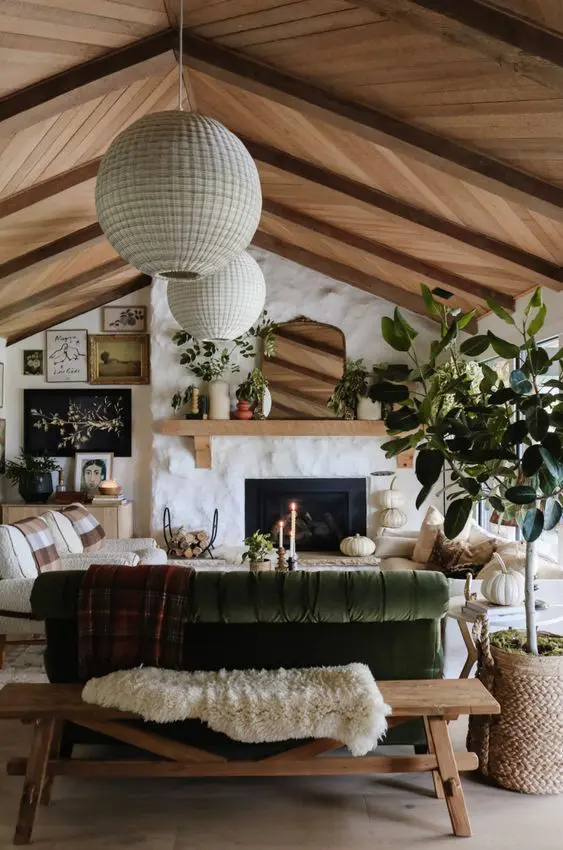
One of the most impactful ways to introduce rattan into a space is through woven lighting fixtures. Rattan pendant lights, chandeliers, and table lamps add texture overhead while creating warm, diffused light.

Because rattan is lightweight and naturally sculptural, lighting fixtures made from this material often double as a design focal point. Even in simple rooms, a woven pendant can bring visual interest without feeling heavy or overly decorative.
To keep the look timeless rather than trendy, choose clean silhouettes and neutral finishes instead of overly intricate designs.
For example, a large woven pendant above a dining table or a pair of rattan bedside lamps can introduce texture while still maintaining a calm, balanced aesthetic.


Mix Rattan With Natural Textiles
Rattan pairs beautifully with other natural materials like linen, wool, jute, and cotton.
For example:
A rattan chair layered with a linen pillow
A rattan coffee table over a jute rug
Woven baskets styled with handmade textiles
Combining materials keeps the space feeling relaxed and collected rather than styled all at once.
Use Rattan as a Statement Piece
Some rattan furniture pieces are sculptural enough to stand on their own.

Consider:
Oversized lounge chairs
Rattan headboards
Rattan cabinet or storage hutch

These statement pieces work especially well in rooms that otherwise feature simple, modern furniture.
Home Styles That Work Beautifully With Rattan
One of the reasons rattan feels timeless is that it adapts to many design styles.
Modern Organic Homes
Modern organic interiors rely on natural materials and calming palettes. Rattan fits perfectly alongside wood, linen, and stone.

Use rattan to:
Add warmth to minimalist spaces
Introduce texture without color
Balance sleek furniture with organic shapes
Coastal & Relaxed Interiors
Coastal homes have long embraced rattan for its light, airy feel.

Try pairing rattan with:
Soft white upholstery
Light wood tones
Natural textiles like cotton and linen
The result feels breezy and casual rather than overly themed.
Bohemian & Collected Spaces
Rattan is also a staple in bohemian and globally inspired homes.

In these spaces, rattan works well with:
Layered textiles
Vintage rugs
Handmade wall art
Ceramics and woven baskets
The key is balancing textures so the room feels curated instead of cluttered.
Minimalist Homes
Even minimalist interiors benefit from texture. A single rattan chair or lamp can soften an otherwise stark room.

Focus on:
Clean silhouettes
Neutral tones
One or two statement pieces
This keeps the space simple while adding depth.
Choosing Quality Rattan Furniture
If you want rattan to remain timeless in your home, quality matters.
Look for:
Handwoven construction rather than molded pieces
Natural finishes instead of heavy coatings
Sturdy frames that will hold their shape over time
Well-made rattan furniture often lasts for decades and can even become a piece that moves with you from home to home.
Final Thoughts: A Material That Transcends Trends
Rattan furniture may come in and out of design headlines, but it has never truly gone out of style. Its natural texture, versatility, and handcrafted character make it one of the easiest materials to incorporate into a home that feels warm, collected, and timeless.
Whether you introduce it through a single accent chair or layer it with other natural materials, rattan has a way of making spaces feel more relaxed and lived-in — which is exactly why it continues to endure.


Comments