What Is Artisan Home Décor? A Beginner’s Guide
- Ali

- Dec 29, 2025
- 3 min read
Updated: Feb 26
Artisan home décor is everywhere right now — but what does it actually mean? In a world dominated by mass production and fast furniture, artisan home décor offers something different: craftsmanship, individuality, and a deeper connection to the objects we bring into our homes.

This beginner’s guide explains what artisan home décor is, how it’s made, what makes it special, and how to start decorating with artisan pieces in a way that feels intentional and timeless.

What Is Artisan Home Décor?
Artisan home décor refers to decorative items that are handcrafted or partially handmade by skilled artisans, often using traditional techniques passed down through generations. These pieces are typically produced in small batches or as one-of-a-kind items rather than mass-manufactured at scale.
Unlike factory-made décor, artisan home décor embraces natural variation. Slight imperfections, unique textures, and subtle differences are signs of craftsmanship — not flaws.
What Makes Artisan Home Décor Different?
The defining feature of artisan home décor is human involvement at every stage of the process.
Key Characteristics of Artisan Home Décor
Handcrafted or hand-finished
Made using traditional or regional techniques
Often produced in small quantities
Uses natural or locally sourced materials
Each piece is slightly unique
These elements give artisan home décor its character and lasting appeal.

Common Types of Artisan Home Décor
Artisan home décor comes in many forms, each reflecting the materials and traditions of its origin.
Artisan Textiles
Embroidered or block-printed pillows
Hand-dyed throws and wall hangings
Textiles are often the easiest entry point for beginners because they add warmth and texture without overwhelming a space.

Artisan Ceramics
Handmade pottery and stoneware
Hand-painted bowls, plates, and vases
Terracotta and clay vessels

Artisan Art & Decorative Objects
Carved wood sculptures and bone beads
Metalwork and woven baskets
Textile wall art and framed prints
These pieces often serve as focal points and bring storytelling into a room.
How Artisan Home Décor Is Made
Artisan home décor is shaped by time, skill, and process. Many pieces take hours — sometimes days — to complete.
Hand weaving and loom work
Pottery wheel throwing and hand building
Wood carving and hand finishing
Natural dyeing and printing methods
These processes prioritize quality and craftsmanship over speed.

Why Artisan Home Décor Costs More
One of the most common questions beginners ask is why artisan home décor often costs more than mass-produced alternatives. In fact, artisan home decor doesn't always cost more. It's usually less expensive if you're buying it, in person directly from the maker but that doesn't take into account, travel costs and time to get there. In general, when comparing handmade, artisan home decor to mass-produced decor, the higher price reflects:
Skilled labor and time investment
Small-batch production
Higher-quality materials
Fair compensation for artisans
When you purchase artisan home décor, you’re paying for expertise, tradition, and sustainability — not just the object itself.
How to Start Decorating with Artisan Home Décor
If you’re new to artisan home décor, start small and build intentionally.

Beginner Tips
Choose one artisan piece per room
Let it stand out against neutral furniture
Mix artisan items with clean, modern lines
Avoid over-styling — negative space matters
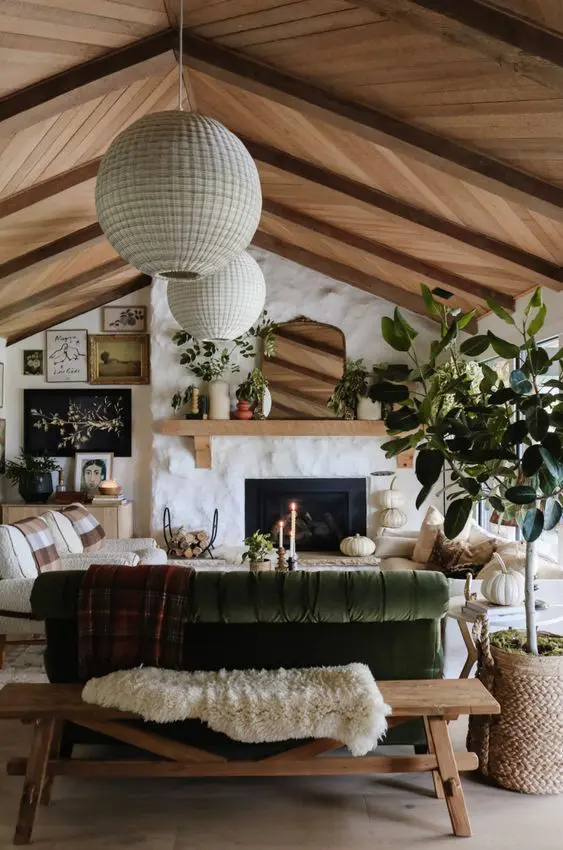
Think of artisan décor as collected over time, not purchased all at once.
How to Tell If Home Décor Is Truly Artisan
Not everything labeled “artisan” actually is. Use these cues to spot authentic artisan home décor.
What to Look For
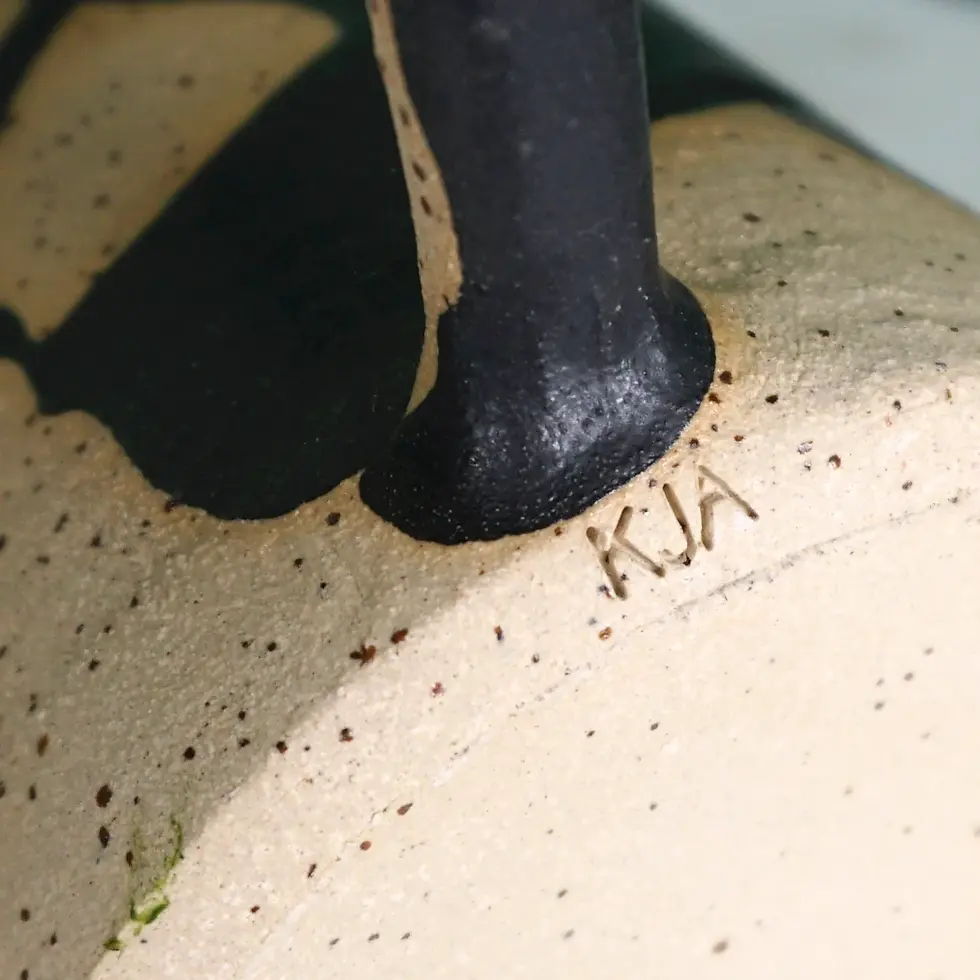
Visible texture and variation
Information about the maker or origin
Natural materials (clay, wool, wood, metal)
Slight irregularities in shape or finish
Transparency from the seller is often a strong indicator of authenticity.
Is Artisan Home Décor Worth It?
For many homeowners, the answer is yes. Artisan home décor brings depth, meaning, and individuality into a space. Each piece carries a story — of a place, a process, and the hands that made it.
In an increasingly crowded décor marketplace, artisan home décor stands out not because it’s perfect, but because it’s personal.
Final Thoughts
Artisan home décor is about slowing down, choosing thoughtfully, and creating a home that feels lived-in and intentional. Whether you start with a handwoven textile or a handmade ceramic bowl, each piece adds character that can’t be replicated.


Comments