Why Jute Rugs Are the Perfect Base for Every Home Style
- Ali

- Jan 24
- 3 min read
Updated: Feb 20
When it comes to building a layered, livable home, few pieces are as versatile as a jute rug. Neutral, textural, and timeless, jute rugs work as a foundation across nearly every interior style — from modern organic to minimalist to bohemian spaces. It's a staple in global home decor style as it mixes well with patterned textiles, handmade ceramics and other eclectic decor.

Before diving into how to style them, it helps to understand how jute compares to another popular natural fiber rug: sisal.
Jute vs. Sisal: What’s the Difference?
Both jute and sisal rugs are made from natural plant fibers, but they behave differently in real homes.

Jute Rugs
Softer underfoot
Warmer, more relaxed texture
Slightly irregular weave that adds character
Best for living rooms, bedrooms, and low-traffic areas
Sisal Rugs
More rigid and structured
Rougher texture
Extremely durable
Often used in high-traffic or formal spaces
Why jute wins as a base rug: While both sisal and jute are great choices, jute’s softness and flexibility make it easier to layer with textiles, patterned rugs, and furniture — without the space feeling stiff or overly formal.
Why Jute Rugs Make the Best Foundation Layer
A jute rug acts like a neutral canvas. Its natural tone and woven texture ground a room while allowing other design elements to shine.

Jute rugs:
Anchor furniture without overpowering it
Add warmth to modern interiors
Balance patterned or colorful textiles
Work across multiple design styles
Because jute is inherently neutral, it adapts as your style evolves — making it a long-term investment rather than a trend piece. Check out our roundup of best jute rugs.
How to Use Jute Rugs in Different Home Styles
Modern Organic Interiors
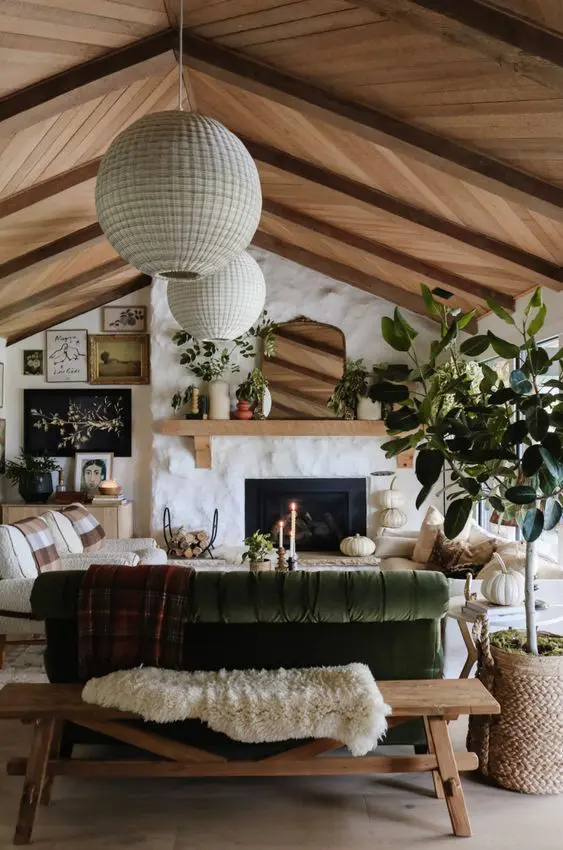
In modern organic spaces, jute rugs complement natural materials like wood, linen, plaster, and stone.

Styling tips:
Choose a flatweave or tightly woven jute rug
Pair with curved furniture and soft textiles
Keep the palette warm and neutral
The texture adds depth without disrupting the calm, organic feel.
Minimalist Homes
Minimalist interiors benefit from jute rugs because they introduce texture without visual clutter.

Styling tips:
Opt for simple borders or clean edges
Use larger sizes to ground the space
Layer with subtle textiles rather than bold patterns
A jute rug prevents minimalist spaces from feeling cold or unfinished.
Bohemian & Collected Homes
Jute rugs truly shine in bohemian or globally inspired interiors.

Styling tips:
Layer a patterned wool or vintage rug on top
Mix textures like linen, wool, and cotton
Let the jute act as a neutral anchor
This layered approach keeps eclectic spaces feeling intentional rather than chaotic. Check out our post on How to Mix Artisan Pieces with Modern Furniture for more ideas on how to layer.
Tips for Layering Rugs Over Jute
Layering is one of the most effective ways to use jute rugs.

Best practices:
Size up — jute should extend beyond the top rug
Use jute as the bottom layer
Choose contrasting textures or patterns on top
This technique works especially well in living rooms, bedrooms, and dining areas. Read more about some of our favorite rugs to layer with jute.
Are Jute Rugs Durable and Easy to Maintain?
Jute rugs are naturally durable but require some care.
What to know:
Best in dry areas
Vacuum regularly to prevent dirt buildup
Spot clean only — avoid excessive moisture
Their natural fibers are surprisingly resilient when used appropriately, making them ideal for everyday living spaces.
Final Thoughts: A Timeless Foundation for Any Space
Jute rugs aren’t just a design trend — they’re a practical, versatile foundation that works across home styles and seasons. Whether you’re layering textiles in a bohemian living room or grounding a minimalist space, a jute rug provides warmth, texture, and flexibility that few other rugs can match.
Once you start using jute as a base layer, it’s hard to imagine decorating without it.


Comments